
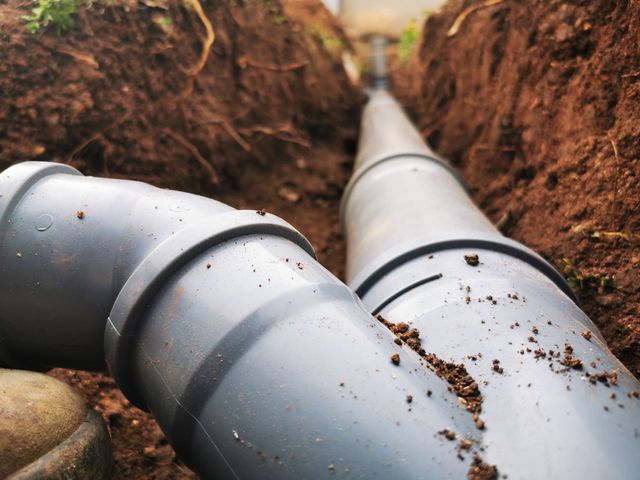
Sewer lines are among the most important yet overlooked components of any property. Hidden underground, they quietly carry wastewater away from homes and businesses. However, many common daily activities and environmental conditions can gradually weaken these pipes. By the time symptoms appear—such as slow drains, unpleasant smells, or yard flooding—the damage may already be significant.
Understanding the everyday causes of sewer line deterioration can help property owners prevent costly repairs. Many households eventually require sewer line repair in Reno, NV, due to issues that develop slowly over time. Learning how these problems start is the first step toward protecting your plumbing system and avoiding major disruptions.
This guide explores the most common everyday factors that lead to sewer line damage, how they affect underground plumbing, and what homeowners can do to reduce the risks.
1. Tree Root Intrusion: Nature’s Most Persistent Plumbing Threat
Tree roots are one of the leading causes of sewer line damage in residential neighbourhoods. Roots naturally seek moisture and nutrients, which sewer pipes often provide. Even a tiny crack or loose pipe joint can release enough moisture to attract nearby roots.
Once roots detect that moisture, they slowly grow toward the pipe. Over time, they penetrate small openings and expand inside the pipe. This expansion creates blockages and gradually forces pipes apart, eventually causing leaks or complete pipe collapse.
Why Roots Target Sewer Lines
Several conditions make sewer pipes particularly vulnerable to root intrusion:
- Aging clay or concrete pipes with small cracks
- Loose pipe joints in older plumbing systems
- Trees planted close to sewer line paths
- Soil conditions that allow rapid root growth
- Long periods of underground moisture
Signs That Tree Roots May Be Damaging Pipes
Root intrusion often develops slowly, but several warning signs can appear:
- Repeated drain clogs throughout the house
- Gurgling sounds in toilets or drains
- Patches of unusually green grass in the yard
- Sewage odours outside the home
- Slow drainage from multiple fixtures
If these symptoms occur, professional inspection may reveal the need for sewer line repair in Reno, NV before roots cause further structural damage.
2. Grease and Household Waste: Everyday Habits That Create Major Blockages
Many sewer line problems begin with ordinary kitchen habits. Cooking grease, oils, and fats often go down sinks without homeowners realising the long-term impact. While grease may appear liquid when hot, it solidifies as it cools inside pipes.
This hardened grease gradually sticks to pipe walls. Over time, it traps other materials such as food particles, soap residue, and debris. The result is a thick buildup that restricts water flow and eventually causes severe blockages.
Common Household Materials That Harm Sewer Lines
The following everyday items frequently contribute to sewer pipe damage:
- Cooking oils and grease
- Coffee grounds
- Eggshells
- Pasta and rice scraps
- Soap scum buildup
- Food debris from dishwashers
These substances accumulate slowly. Many homeowners only notice the problem once drains begin backing up throughout the house.
Long-Term Effects of Grease Buildup
Grease accumulation can lead to several serious plumbing issues:
- Reduced pipe diameter from buildup
- Frequent kitchen sink clogs
- Increased pressure inside sewer pipes
- Pipe corrosion caused by trapped waste
- Complete sewer line blockages
3. Aging Pipes and Infrastructure Deterioration
Older homes often rely on plumbing systems installed decades ago. Materials commonly used in earlier sewer systems—such as clay, cast iron, or Orangeburg pipes—naturally weaken over time.
As these materials age, they become more vulnerable to cracks, corrosion, and collapse. Small fractures can expand due to ground movement, temperature changes, or water pressure. Eventually, these weaknesses allow leaks, root intrusion, or structural pipe failure.
Older Pipe Materials Still Found in Many Homes
Some aging sewer pipe materials include:
- Clay pipes: Common in homes built before the 1970s
- Cast iron pipes: Durable but prone to internal corrosion
- Orangeburg pipes: Fibre-based pipes that deteriorate over time
- Concrete pipes: Strong but vulnerable to root intrusion
Each material has its own lifespan, and many older systems now require upgrades or rehabilitation.
Warning Signs of Aging Sewer Systems
Property owners may notice several indicators of deteriorating pipes:
- Frequent drain backups
- Sewage odours indoors or outdoors
- Unexplained wet spots in the yard
- Foundation cracks caused by leaks
- Repeated plumbing service calls
4. Ground Movement and Soil Shifting
Sewer pipes are buried underground, which means they constantly interact with surrounding soil. Changes in soil structure can place pressure on pipes and cause alignment problems.
Ground movement may occur gradually or suddenly. Even small shifts in the soil can misalign pipe connections or create cracks that worsen over time.
Common Causes of Soil Movement
Several environmental factors can affect underground plumbing systems:
- Seasonal temperature changes
- Heavy rainfall or flooding
- Soil erosion around foundations
- Construction or excavation nearby
- Earth tremors or ground vibrations
Each of these factors can alter the position of buried pipes.
How Soil Shifting Damages Sewer Lines
When soil shifts, pipes may experience:
- Pipe separation at joints
- Cracks caused by pressure changes
- Sagging sections that trap debris
- Misaligned pipes that restrict water flow
- Collapsed sections under heavy soil weight
5. Flushing the Wrong Items Down the Toilet
Toilets are designed to handle human waste and toilet paper. However, many households regularly flush items that should never enter the sewer system. These materials often do not break down properly in water.
As a result, they accumulate in pipes and create blockages that can extend into the main sewer line.
Items That Frequently Cause Sewer Line Blockages
Common flushing mistakes include:
- Wet wipes and “flushable” wipes
- Paper towels and tissues
- Cotton swabs
- Feminine hygiene products
- Dental floss
- Hair and cosmetic wipes
Although some products are marketed as flushable, they rarely dissolve quickly enough to travel safely through sewer pipes.
Why Improper Flushing Damages Pipes
Non-degradable materials can:
- Form large clumps inside pipes
- Combine with grease to create solid blockages
- Reduce pipe capacity over time
- Cause sewage backups in toilets and drains
Wrap Up:
Sewer lines work continuously behind the scenes to keep homes safe and sanitary. Yet many everyday habits and environmental conditions gradually weaken these systems. Tree roots, grease buildup, aging pipes, soil movement, and improper flushing are among the most common causes of sewer line damage.
The good news is that awareness and preventive care can significantly reduce the risk of major plumbing failures. Regular inspections, responsible waste disposal, and careful landscaping choices all help maintain a healthy sewer system.
If warning signs appear—such as recurring clogs, slow drains, or sewage odours—professional evaluation can identify problems early. Addressing issues promptly through sewer line repair in Reno, NV helps prevent larger repairs, protects property value, and ensures that your plumbing system continues to operate reliably for years to come.

