
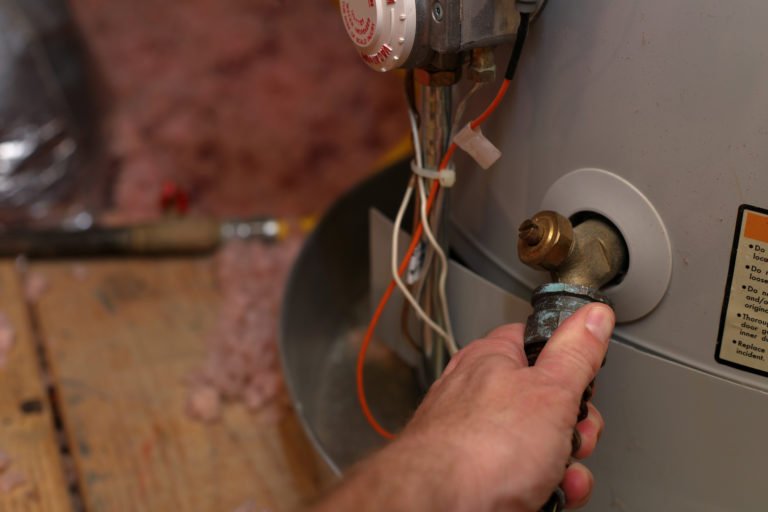
A reliable water heater is essential for everyday comfort in any home. It provides hot water for showers, dishwashing, laundry, and cleaning tasks. When a water heater begins to fail, daily routines quickly become frustrating and inconvenient. Many homeowners overlook early warning symptoms and only act when the unit stops working completely. Learning the signs its time to replace your water heater helps prevent sudden breakdowns and costly water damage.
Water heater problems often develop gradually rather than overnight. Small performance issues usually appear weeks or months before failure. Homeowners who understand these warning signs can plan repairs or replacements with confidence. Recognising the signs its time to replace your water heater early to protect comfort, safety, and long-term energy efficiency.
Understanding the Function of a Water Heater
A water heater’s main role is to heat and store water for household use. It ensures consistent hot water for bathrooms, kitchens, and appliances. Most homes rely on either tank-style or tankless water heaters. Tank models store heated water, while tankless systems heat water on demand. Units can operate on gas or electricity, depending on the home setup.
Key components inside a water heater include the tank, heating element or burner, thermostat, and pressure relief valve. Each part must function correctly to maintain safe operation. When one component fails, performance declines and safety risks increase.
Common Causes of Water Heater Failure
Age is one of the most common reasons water heaters fail. Most residential units last between eight and twelve years. As systems age, internal parts wear down and efficiency drops. Sediment buildup is another major issue, especially in areas with mineral-rich water. Minerals settle at the bottom of the tank, reducing heating efficiency and increasing strain.
Corrosion and rust also shorten the lifespan. Once corrosion begins, leaks become more likely. Thermostat or heating element failures can cause inconsistent water temperatures. Pressure problems from a faulty relief valve may lead to leaks or unsafe conditions. These issues often appear together as systems near the end of their service life.
Lack of Hot Water or Inconsistent Heating
One of the earliest warning signs is a reduced hot water supply. Water may turn cold quickly or fail to reach the proper temperature. This often points to a heating element failure or a thermostat problem. Sediment buildup can also block heat transfer inside the tank.
Inconsistent heating should never be ignored. It usually worsens over time and affects overall efficiency. Homeowners who notice this issue should consider an inspection before complete failure occurs.
Strange Noises Coming From the Tank
Popping, rumbling, or crackling sounds are common signs of sediment buildup. As water heats beneath hardened mineral deposits, pressure creates noise. These sounds indicate the heater is working harder than necessary.
Excess noise also accelerates wear on internal components. Ignoring it can lead to overheating and tank damage. Regular flushing or replacement may be needed depending on the severity.
Rusty or Discoloured Hot Water
Rust-coloured or cloudy hot water signals corrosion inside the tank. This often occurs when the anode rod fails to protect the interior lining. Once rust spreads, leaks become inevitable.
Discoloured water also affects plumbing fixtures and laundry. At this stage, replacement is often more cost-effective than repair.
Water Leaks Around the Base
Visible water around the base of the heater is a serious warning sign. Leaks may result from cracks, corrosion, or pressure valve failure. Even small leaks can cause structural damage over time.
Standing water should never be ignored. Immediate professional inspection is essential to prevent flooding and further damage.
Reduced Water Pressure or Drainage Issues
Low hot water pressure may indicate sediment blocking internal pipes or valves. Drainage problems also suggest internal deterioration. These issues reduce efficiency and strain the system.
Pressure-related problems often accompany aging units. Addressing them early helps avoid sudden failure.
Foul or Metallic Odours in Hot Water
Unpleasant smells from hot water often result from bacteria reacting with sediment. Metallic odours usually signal corrosion. Both conditions indicate declining water quality and system health.
Odours rarely improve without intervention. Inspection helps determine whether cleaning or replacement is required.
Repair or Replace Your Water Heater?
Deciding between repair and replacement depends on several factors. Units older than ten years often benefit from replacement. If multiple issues occur at once, repairs may not be cost-effective. Frequent service calls within a year usually signal that replacement is the smarter option.
Modern water heaters offer improved energy efficiency and performance. Upgrading can lower utility bills while improving reliability and safety.
Extending the Lifespan of Your Water Heater
Proper maintenance helps extend the lifespan of the water heater. Annual tank flushing removes sediment and improves efficiency. Thermostat settings should remain moderate to prevent overheating.
The pressure relief valve should be inspected annually to ensure proper operation. Insulating the tank and pipes reduces heat loss and energy consumption. These steps help delay major repairs and improve performance.
Benefits of Professional Maintenance and Service
Regular professional service offers significant benefits. Licensed technicians inspect internal components, identify potential issues early, and ensure safe operation. Covenant Heating & Cooling provides inspection, repair, and replacement services tailored to residential needs.
Professional care improves efficiency, extends equipment life, and lowers utility costs. It also reduces the risk of sudden breakdowns and emergency repairs.
Safety Risks of Ignoring Water Heater Issues
Failing water heaters pose safety risks. Pressure buildup can cause tank rupture. Gas models are at risk of leaks if components fail. Overheated water increases scalding hazards.
Timely service protects both property and occupants. Addressing issues early prevents accidents and costly damage.
Local Service and Seasonal Considerations
Covenant Heating & Cooling serves residential communities across Middle Tennessee. Seasonal demand for hot water increases during colder months. Aging heaters often fail under winter strain.
Local expertise ensures systems are suited for regional water conditions and usage patterns. Professional support helps homeowners plan upgrades before emergencies occur.
Take Action Before Failure Occurs
Water heater problems rarely fix themselves. Early inspection saves money and stress. Scheduling professional service ensures accurate diagnosis and reliable solutions.
Homeowners should act at the first warning signs. Proactive care prevents unexpected disruptions and protects daily comfort.
Conclusion
A failing water heater affects comfort, safety, and efficiency. Understanding early warning signs helps homeowners make informed decisions. From inconsistent heating to leaks and corrosion, problems often appear long before complete failure. Regular maintenance and professional service extend the lifespan and improve reliability. Covenant Heating & Cooling offers expert inspection, repair, and replacement services. Scheduling service early ensures dependable hot water, lower energy costs, and peace of mind for every household.

