
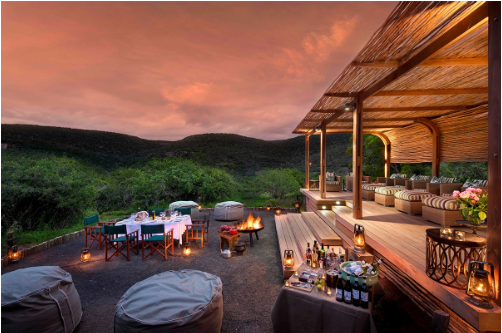
Embarking on a luxury safari Tanzania represents the pinnacle of African wildlife travel, combining extraordinary animal encounters with refined comfort, impeccable service, and exclusive positioning that transforms a remarkable experience into something truly transcendent. Tanzania’s luxury safari sector has evolved dramatically over recent decades, moving beyond simple accommodation upgrades to encompass comprehensive experiential excellence across every dimension from private guides and customized itineraries to gourmet cuisine and privileged access to pristine wilderness areas seeing minimal tourist impact. Understanding what genuinely distinguishes luxury safari experiences from standard offerings, recognizing when premium pricing delivers proportional value, and selecting properties and operators aligned with sophisticated travel expectations ensures your investment produces memories worthy of the substantial financial commitment.
Defining Authentic Luxury Safari Experiences
Luxury safari Tanzania experiences transcend simple accommodation opulence to encompass comprehensive excellence across multiple integrated dimensions. Authentic luxury manifests through exclusive geographic positioning within private conservancies or remote wilderness areas where guest numbers remain strictly controlled, preserving pristine wildlife viewing conditions unavailable in heavily trafficked parks. These privileged locations enable off-road driving following interesting animal movements, flexible departure timing unconstrained by park regulation schedules, and intimate encounters with wildlife undisturbed by vehicle congestion that increasingly characterizes popular public park areas during peak seasons.
Service excellence represents another fundamental luxury dimension, characterized by remarkably high staff-to-guest ratios enabling genuinely anticipatory rather than merely reactive service. Elite properties maintain staffing levels approaching one employee per guest, creating environments where needs are recognized and addressed before articulation becomes necessary. This service philosophy extends from personal butlers attending to accommodation preferences and arranging surprise romantic gestures to expert guides whose sole focus remains your party rather than managing multiple groups, to chefs accommodating dietary preferences and preparing customized menus without advance notice requirements that constrain more modest operations.
Experiential personalization distinguishes luxury safaris through complete customization flexibility addressing individual interests, physical capabilities, and pacing preferences. Where standard safaris follow predetermined schedules and fixed itineraries, luxury experiences mold themselves around guest desires—departing when you wish rather than preset times, dedicating entire days to photographic pursuits at single interesting locations, incorporating specialized activities unavailable through standard packages, and adjusting plans spontaneously based on wildlife intelligence or guest energy levels. This fundamental flexibility represents perhaps luxury safari’s most valuable dimension, enabling experiences precisely aligned with personal visions rather than compromised to accommodate operational efficiency or group consensus.
Elite Accommodation Categories and Property Selection
Tanzania’s luxury safari accommodation landscape encompasses several distinct categories serving different preferences within the affluent traveler segment. Permanent luxury lodges represent the most established category, featuring architecturally distinguished structures with substantial rooms or suites, extensive communal facilities including restaurants, bars, libraries, and infinity pools, comprehensive spa services, and refined design sensibilities balancing comfort with environmental integration. Properties like Singita Sasakwa Lodge exemplify this category through grand colonial-inspired architecture, museum-quality art collections, wine cellars holding thousands of bottles, and service standards matching world-class hotels, all positioned within exclusive Grumeti Reserves where wildlife viewing rivals the Serengeti without crowds.
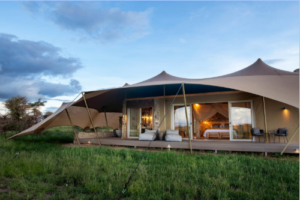
Ultra-luxury tented camps provide more intimate experiences maintaining stronger connections with surrounding wilderness through canvas construction and smaller guest capacities. These properties feature spacious walk-in tents with proper beds, fine linens, elegant furnishings, en-suite bathrooms with hot water, private decks, and sometimes plunge pools, combining authentic safari atmosphere with five-star comfort. Operations like &Beyond’s Serengeti Under Canvas represent luxury mobile camping’s apex, relocating seasonally following migration movements while maintaining exceptional service standards, gourmet cuisine, and surprising amenities despite temporary infrastructure. The canvas walls and nighttime wildlife sounds create more visceral wilderness connections than permanent structures while sacrificing nothing in comfort or service quality.
Private villas and exclusive-use properties cater to ultra-high-net-worth travelers, large family groups, or those celebrating significant occasions who desire complete privacy and personalized service. These properties accommodate 6-12 guests across multiple bedroom suites with dedicated staff including private chefs, guides, and butlers, enabling completely customized experiences from meal timing and menu selection to activity scheduling and destination choices within vast private conservancies. Properties like Singita Sabora or The Highlands offer ultimate exclusivity where your party represents the sole guests across thousands of acres, creating genuinely private wilderness experiences impossible in even exclusive regular luxury lodges sharing space with other travelers.
Private Guide Services and Exclusive Vehicle Access
Private professional guide services represent one of luxury safari Tanzania most valuable elements, fundamentally transforming wildlife viewing quality compared to shared guide arrangements. Private guides focus exclusively on your party throughout entire safaris, learning your specific interests, adjusting communication styles to your preferences, and dedicating unlimited time to subjects capturing your attention without pressures from other guests wanting to move onward. This dedicated attention enables pursuing specialized interests like bird photography, large predator behavior observation, or botanical studies impossible when guides must balance diverse group interests competing for attention and time allocation.
Elite guides employed by luxury operators typically possess extraordinary qualifications including 15-25 years accumulated field experience, advanced certifications from recognized wildlife management institutions, specialized knowledge in areas like ornithology or predator ecology, and exceptional communication abilities translating complex ecological concepts into engaging accessible narratives. Many luxury properties maintain small pools of carefully selected master guides whose reputations and expertise justify premium operator fees, with some travelers specifically requesting particular guides based on recommendations or previous exceptional experiences. The knowledge depth, observation capabilities, and interpretive skills these elite guides demonstrate often create as much value as luxurious accommodations themselves.
Exclusive vehicle access in luxury safaris means modified Land Cruisers or custom safari vehicles serving only your party with guaranteed window seats, optimal passenger loads of 4-6 in vehicles designed for seven, and sometimes specialized photographic modifications including 360-degree rotating seats, beanbag supports, or charging stations for professional camera equipment. Private vehicles enable departing when desired rather than fixed schedules, pursuing interesting sightings as long as you wish without other passengers wanting to proceed, and exploring areas aligned with your specific interests whether photographing birds, tracking predators, or studying smaller ecological details often overlooked during standard game drives focused on large charismatic megafauna.
Culinary Excellence and Gourmet Safari Dining
Luxury safari Tanzania dining transcends basic sustenance to become integral experiential elements matching world-class restaurants. Elite properties employ executive chefs, often with international fine dining backgrounds, who create sophisticated multi-course menus utilizing premium imported ingredients supplemented with fresh local produce when seasonally available. These culinary programs accommodate diverse dietary preferences including vegetarian, vegan, gluten-free, kosher, or specific allergy restrictions without advance notice requirements, with chefs creatively adapting menus to individual tastes discovered through casual mealtime conversations rather than formal restriction declarations.
Wine programs at luxury properties feature extensive cellars with hundreds or thousands of bottles spanning global regions, carefully curated by sommeliers to complement chef-designed menus. Properties like Singita maintain wine collections valued at millions of dollars, offering guests access to premium vintages and rare selections unavailable at standard safari lodges. Knowledgeable staff provide wine pairing recommendations and host tastings introducing guests to unfamiliar regions or varieties, creating educational dimensions beyond simple beverage service. Premium properties include comprehensive wine selections within all-inclusive rates rather than charging separately, removing financial considerations from selection decisions and encouraging exploration of diverse bottles.
Dining location flexibility represents another luxury dimension, extending beyond fixed restaurant settings to incorporate private bush breakfasts following early morning game drives, romantic candlelit dinners at tables set dramatically in wilderness settings, sundowner cocktail services at scenic viewpoints, and in-room dining accommodating various preferences from late morning breakfasts on private decks to intimate dinners under stars. This venue transforms meals from purely functional nutrition into memorable experiential moments integrated with wilderness surroundings, creating lasting impressions rivaling wildlife encounters themselves in some travelers’ recollections.
Exclusive Experiences and Signature Activities
Hot air balloon safaris over the Serengeti represent quintessential luxury safari experiences, providing aerial perspectives revealing landscape patterns and wildlife distributions impossible from ground level. These dawn flights float silently above plains observing predator hunts, massive herbivore herds, and elephant families from unique vantage points, followed by champagne breakfasts served at bush landing sites. While available through various operators, luxury properties often include balloon flights within comprehensive packages or arrange private balloon experiences for exclusive parties rather than shared baskets with unknown passengers, enhancing already spectacular experiences through added exclusivity and personalization.
Private walking safaris with elite armed guides create intimate bush connections impossible from vehicles, teaching tracking skills, revealing smaller ecological details, and heightening awareness through the mild adrenaline accompanying walking among potentially dangerous animals. Luxury operators maintain highly qualified walking guides with extensive experience and deep ecological knowledge who adjust experiences to guest fitness levels and comfort zones, from gentle interpretive nature walks emphasizing botany and entomology to more adventurous tracking exercises following specific animal signs. The physical engagement and sensory immersion walking creates different wilderness relationships complementing vehicle-based viewing.
Helicopter transfers between destinations and scenic flights over wilderness areas represent ultimate luxury safari conveniences, eliminating long overland drives while providing spectacular aerial wildlife viewing and photographic opportunities. Private helicopter charters enable visiting multiple remote properties across vast distances impossible via road travel within reasonable timeframes, maximizing time in wildlife-rich areas while minimizing transit inefficiencies. Scenic flights over Ngorongoro Crater, along the Great Rift Valley escarpment, or above migration herds create spectacular perspectives and photographic opportunities justifying costs for celebration trips or travelers prioritizing efficiency and unique experiences over budget considerations.
Wellness Integration and Spa Services
Luxury safari properties increasingly incorporate comprehensive wellness offerings recognizing that affluent travelers seek restoration alongside adventure. On-site spa facilities provide massage therapies, facial treatments, body wraps utilizing indigenous botanical ingredients, and various wellness services typically found at destination resort spas. Skilled therapists customize treatments to individual needs, addressing muscle tension from long flights or vehicle drives, providing relaxation after active game drives, or simply contributing to comprehensive pampering experiences. Treatment venues often feature open-air settings with wildlife viewing opportunities, creating uniquely African spa experiences impossible at urban facilities.
Yoga and meditation programs offered at select luxury properties provide mindfulness dimensions complementing wildlife viewing. Sunrise yoga sessions conducted on outdoor platforms overlooking waterholes where elephants drink create powerful mind-body-nature connections, while guided meditation practices teaching present-moment awareness enhance overall safari experiences through heightened sensory engagement. These wellness activities particularly appeal to stressed professionals seeking genuine restoration rather than simply exotic vacations, creating balanced itineraries alternating between active wildlife viewing and contemplative restoration.
Fitness facilities and personal training services enable maintaining exercise routines during safaris for travelers who prioritize fitness. Well-equipped gyms with cardiovascular and strength training equipment, sometimes augmented by personal trainers offering customized workouts or guided trail runs, ensure fitness commitments don’t lapse during travel. Swimming pools at most luxury properties provide additional exercise options alongside recreational relaxation, with infinity edge designs creating dramatic visual effects overlooking wilderness landscapes while swimmers float seemingly suspended above surrounding ecosystems.
Private Conservancies and Exclusive Territories
Tanzania’s private conservancies represent luxury safari’s geographic foundation, providing exclusive access to pristine wilderness areas where tourist numbers remain strictly controlled through limited accommodation capacity and prohibitive access fees. These conservancies, often bordering famous national parks, offer comparable or superior wildlife viewing without crowds, congestion, or regulatory constraints limiting flexibility in public parks. Properties within Grumeti Reserves, Singita concessions, or other private areas enable off-road driving following interesting animals, night game drives revealing nocturnal species, walking safaris in areas where regulations prohibit this in parks, and flexible timing unconstrained by park gate schedules.
The conservation impact of staying at luxury properties within private conservancies extends beyond personal wildlife viewing to support broader ecosystem protection. Guest fees fund anti-poaching patrols, wildlife monitoring research, habitat restoration projects, and community development programs creating local constituencies supporting conservation. Many luxury operators allocate substantial revenue percentages toward conservation initiatives or operate their own foundations supporting protection efforts across ecosystems. Travelers concerned about tourism’s environmental and social impacts find comfort knowing luxury safari spending directly supports tangible conservation outcomes beyond general park fee contributions.
Exclusive positioning within these conservancies creates privacy levels impossible in public parks regardless of accommodation luxury. Morning game drives might encounter no other vehicles throughout entire excursions, creating feelings of genuine wilderness discovery increasingly rare in modern tourism. This exclusivity enables intimate wildlife observations without spectator crowds, patient behavioral monitoring impossible when multiple vehicles compete for positions, and photographic opportunities unmarred by other tourists appearing in frames—significant value propositions for travelers who’ve completed multiple safaris in crowded public parks and now seek more pristine experiences.
Seasonal Considerations for Luxury Safari Tanzania
High season luxury safari Tanzania experiences during June through October deliver optimal weather reliability, concentrated wildlife viewing, and specific migration spectacles including Mara River crossings. Premium properties command peak rates during these months, often exceeding $2,000-3,000 per person nightly for all-inclusive experiences. The superior weather conditions, predictable wildlife distributions, and migration timing justify premiums for travelers prioritizing absolute reliability and specific phenomena over cost considerations. However, luxury properties during high season also experience maximum occupancy, reducing exclusive feelings that appeal to affluent travelers seeking privacy and distinction from mass tourism experiences.
Green season luxury safaris from March through May offer intriguing value propositions even within the luxury segment, with properties discounting rates 30-50% below peak season pricing while maintaining identical service standards and amenities. The dramatic cost reductions enable accessing ultra-exclusive properties potentially prohibitive at peak rates or extending safari durations substantially. Beyond financial advantages, green season provides unique experiential benefits including lush dramatic landscapes, synchronized birthing periods, migratory bird spectacles, and minimal guest presence at even popular luxury properties creating enhanced exclusivity feelings. The afternoon thunderstorm probabilities represent acceptable trade-offs for sophisticated travelers who’ve completed multiple safaris and specifically seek distinctive experiences beyond standard dry season offerings.
Shoulder season luxury safaris during January, February, and November balance moderate pricing with favorable conditions and lighter guest loads than peak months. These periods appeal to discerning travelers seeking optimal value within luxury categories, accessing premier properties at 15-25% discounts while enjoying excellent wildlife viewing and comfortable weather. The reduced guest numbers at luxury lodges during shoulders enhance exclusive feelings and enable more personalized service attention, creating experiences rivaling or exceeding high season despite lower pricing—representing sophisticated timing strategies for experienced luxury travelers who understand seasonal nuances beyond simple peak/off-peak classifications.
Conclusion
Luxury safari Tanzania experiences represent the apex of African wildlife travel, transcending standard safaris through comprehensive excellence across accommodation quality, service delivery, guide expertise, culinary programs, exclusive positioning, and experiential personalization. Authentic luxury manifests not merely through opulent lodges or high price tags but through thoughtful integration of multiple elements creating seamless experiences where comfort, service, and wilderness access combine producing transformative journeys justifying substantial financial investments. The finest luxury safaris balance refined comfort with genuine wilderness connections, ensuring amenities enhance rather than insulate travelers from the raw natural beauty motivating African journeys.
Selecting optimal luxury safari experiences requires understanding what genuinely creates value within premium categories beyond superficial markers. Elite properties demonstrate excellence through exclusive geographic positioning enabling private wildlife viewing, remarkably high service standards from deeply experienced staff, comprehensive personalization accommodating individual preferences and interests, sophisticated culinary programs matching fine dining establishments, and thoughtful amenities from spa services to private guides creating holistic luxury rather than isolated opulent elements. The most discerning travelers recognize that strategic property selection, seasonal timing optimization, and operator reputation verification matter as much in luxury categories as budget segments, with due diligence preventing disappointing experiences despite premium pricing.
Tanzania’s luxury safari landscape offers extraordinary diversity spanning permanent architectural lodges to intimate tented camps to exclusive private villas, each category serving different preferences within affluent traveler segments. The common thread uniting authentic luxury experiences involves uncompromising commitment to excellence, whether through guide expertise, service anticipation, culinary sophistication, or conservation integration supporting ecosystem protection. For travelers who appreciate and can afford premium experiences, luxury safari Tanzania delivers unmatched combinations of wildlife spectacle, refined comfort, personalized service, and exclusive access creating memories justifying investments and inspiring ongoing conservation engagement supporting Africa’s magnificent wild places for future generations.
Key Takeaways
- Luxury safari Tanzania transcends accommodation opulence to encompass exclusive geographic positioning in private conservancies with controlled access, elite guide services, comprehensive personalization, and impeccable service standards creating holistic premium experiences
- Private professional guides represent luxury safari’s most valuable element, focusing exclusively on your interests, adjusting to your preferences, and providing unlimited time for subjects capturing attention without competing group pressures
- Elite properties maintain staff-to-guest ratios approaching 1:1 enabling genuinely anticipatory service, gourmet multi-course dining rivaling fine restaurants, extensive wine programs, and comprehensive wellness offerings including spa services
- Private conservancies provide exclusive wildlife viewing without crowds, enable off-road driving and night drives prohibited in parks, support conservation through guest fees funding protection efforts, and create privacy impossible in public areas
- Experiential flexibility distinguishing luxury safaris allows departing when desired, dedicating entire days to specific interests, incorporating specialized activities, and adjusting plans spontaneously based on wildlife intelligence or energy levels
- Green season luxury safaris offer 30-50% discounts while maintaining identical service standards, providing dramatic landscapes, minimal guest presence enhancing exclusivity, and unique wildlife phenomena including birthing seasons
- Authentic luxury combines refined comfort with genuine wilderness connections, ensuring amenities enhance rather than insulate from natural environments, creating balanced experiences justifying substantial premium investments
Frequently Asked Questions
What price range should I expect for authentic luxury safari Tanzania experiences?
Authentic luxury safari Tanzania typically ranges $1,200-3,500 per person nightly on all-inclusive basis covering accommodations, all meals and premium beverages including fine wines and top-shelf spirits, private guide services, game drives in exclusive vehicles, most activities except helicopter transfers or balloon safaris, laundry services, and comprehensive amenities. Ultra-exclusive properties or private villa rentals can exceed $4,000-6,000 nightly. Seven-day luxury safaris typically cost $10,000-25,000 per person excluding international flights, with ultra-premium experiences potentially exceeding $30,000-40,000 per person. These rates reflect genuine operational costs including exclusive conservancy access fees, elite staff salaries, gourmet imported ingredients, comprehensive wine cellars, and low guest numbers preserving exclusivity. Properties priced substantially below $1,000 nightly rarely deliver authentic luxury standards across all dimensions despite marketing claims.
How do I distinguish genuinely exclusive luxury properties from those simply charging premium prices?
Genuine luxury properties demonstrate exclusivity through verifiable indicators including membership in prestigious hotel collections like Relais & Châteaux or Leading Hotels of the World, limited room counts typically under 10-20 accommodations preserving intimate scale, positioning within exclusive private conservancies with verified restricted access, documented staff-to-guest ratios exceeding 3:1, and specific operational details about guide qualifications, culinary programs, and amenities. Examine detailed property descriptions for concrete specifics—named executive chefs, precise wine cellar bottle counts, specific spa treatment menus, documented conservation programs—rather than vague luxury language. Research independent reviews on platforms frequented by affluent travelers like Virtuoso or luxury travel forums, looking for consistent excellence patterns across multiple dimensions. Request detailed inclusions lists, as authentic luxury includes comprehensive services while properties claiming luxury while extensively itemizing exclusions often deliver disappointing experiences despite premium pricing.
Are luxury safari experiences suitable for families with children or primarily designed for adult couples?
Select luxury properties specifically cater to families through thoughtful programming balancing sophisticated adult amenities with age-appropriate children’s activities. Family-friendly luxury safaris feature accommodations with family suites or private villas with multiple bedrooms, dedicated children’s programs with qualified staff, adjusted game drive durations and educational components engaging young interests, flexible dining accommodating children’s schedules and preferences, and comprehensive safety protocols for young guests. Properties like andBeyond lodges or certain Singita camps maintain strong family reputations. However, many ultra-exclusive intimate luxury properties target romantic couples or adult groups, establishing minimum ages of 12-16 years maintaining tranquil atmospheres. Some properties offer exclusive villa bookings where families enjoy complete privacy without other guests. When considering luxury family safaris, explicitly confirm children’s policies, available programming, accommodation configurations, and activity modifications ensuring positive experiences for all ages rather than adults sacrificing luxury expectations or children feeling constrained by adult-oriented environments.
What differentiates luxury tented camps from permanent luxury lodges in experience quality?
Both accommodation categories deliver authentic luxury experiences through different philosophical approaches. Luxury tented camps prioritize intimate wilderness connections through canvas construction transmitting nighttime wildlife sounds, typically smaller guest capacities fostering exclusive atmospheres, and sometimes seasonal mobility following wildlife movements for optimal positioning. The canvas aesthetic creates more traditional safari romanticism and closer nature integration despite sophisticated amenities matching permanent structures. Permanent luxury lodges offer more extensive facilities including larger spa operations, wine cellars, libraries, and communal spaces, potentially superior insulation from weather extremes, and architectural distinction as destination amenities themselves beyond wildlife access platforms. Neither category intrinsically delivers superior experiences—selection depends on personal preferences regarding wilderness immersion versus architectural comfort, intimate scale versus extensive facilities, and aesthetic preferences between canvas authenticity and permanent elegance. Many discerning travelers intentionally combine both accommodation types within single safaris experiencing different luxury expressions.
When is the optimal time for luxury safari Tanzania balancing weather, wildlife, and value?
Optimal timing depends on priorities between absolute reliability, specific wildlife phenomena, exclusivity, and value. June through October offers peak reliability with minimal weather risks, concentrated wildlife viewing, and migration river crossings justifying maximum rates for travelers prioritizing guaranteed optimal conditions despite $2,000-3,500 nightly costs and higher guest occupancies reducing exclusivity feelings. January and February provide excellent shoulder season balance with favorable weather, wildebeest calving season, moderate pricing typically 15-25% below peak, and lighter guest loads enhancing exclusive atmospheres—representing sophisticated timing for experienced luxury travelers. March through May green season delivers most compelling value propositions with 30-50% discounts enabling accessing ultra-exclusive properties otherwise prohibitive or substantially extending durations, dramatic lush landscapes, minimal guests creating maximum exclusivity, and unique wildlife phenomena, though requiring accepting afternoon thunderstorm probabilities. For first luxury safaris prioritizing reliability, choose July-September. For value-conscious luxury travelers or those specifically seeking exclusivity, consider April-May. For balanced experiences, target February or November.
Do luxury safari properties genuinely contribute to conservation or is this primarily marketing?
Reputable luxury safari properties make substantial verifiable conservation contributions beyond marketing claims. Elite operators like Singita, &Beyond, and others allocate significant revenue percentages toward anti-poaching operations, wildlife monitoring research, habitat restoration, and community development programs. Many operate dedicated conservation foundations publishing transparent annual reports detailing funded initiatives and measurable outcomes including wildlife population trends, poaching incident reductions, community employment numbers, and supported education or healthcare services. Private conservancy models where luxury properties operate fundamentally enable conservation by creating economic value for land maintaining wildlife habitat rather than conversion to agriculture. Guest fees fund conservancy operations including ranger salaries, equipment, and management. Discerning travelers can verify conservation authenticity by requesting specific information about funded programs, examining foundation websites with detailed reporting, and researching independent assessments. Properties providing vague conservation claims without verifiable specifics or measurable outcomes warrant skepticism, while those offering detailed transparent reporting demonstrate genuine commitment extending beyond marketing narratives.
Can luxury safari experiences accommodate specialized interests like advanced photography or ornithology?
Elite luxury safari operators excel at accommodating specialized interests through experienced guides with relevant expertise and complete itinerary flexibility. Advanced photography interests receive support through private vehicles with guaranteed optimal positions, unlimited time at promising subjects, guide understanding of lighting and composition priorities, potential specialized photographic guide hiring, and schedule adjustments for golden hour conditions. Ornithology enthusiasts benefit from guides with bird identification expertise, modified itineraries emphasizing diverse habitat types, slower pacing enabling patient observation, and specialized optical equipment if needed. Other specialized interests including large predator behavior, botanical studies, or geological features receive similar accommodation through guide expertise matching and complete flexibility dedicating time aligned with passions. When booking luxury safaris with specialized interests, explicitly communicate priorities during planning, request guides with relevant specialized knowledge or arrange specialist guide additions, and confirm operational willingness to substantially adjust standard itineraries. The comprehensive flexibility fundamental to authentic luxury enables pursuing focused interests impossible during standard safaris constrained by predetermined schedules and diverse group interests requiring compromise.
What represents appropriate additional budgeting beyond luxury safari package rates?
Budget 15-25% above quoted luxury package rates for typical additional expenses despite comprehensive inclusions. Gratuities represent primary additions with suggested guidelines of $40-60 daily for private guides, $30-40 for shared guides if applicable, $20-30 for personal butlers, and $15-25 for general lodge staff per person. Seven-day luxury safaris might total $400-700 per person in tips. Premium optional activities like hot air balloon safaris cost $550-700, helicopter transfers $400-800 per segment, specialized guides for specific interests $300-500 daily. Tanzania visa fees run $50-100. Comprehensive travel insurance with high coverage limits appropriate for expensive trips costs 6-8% of total expenses. Some luxury properties include spa treatments while others charge separately at $150-300 per service. Personal shopping for high-quality souvenirs, art, or safari clothing adds variable amounts. Pre-safari or post-safari Zanzibar extensions require separate budgeting. For $20,000 per person luxury safari packages, budget additional $3,000-5,000 covering gratuities, optional premium activities, insurance, and miscellaneous expenses ensuring complete financial comfort throughout experiences.


